
After more than a decade working inside the duct systems of Calgary homes, I’ve collected enough strange, frustrating, and downright memorable moments to fill a notebook. Somewhere in the centre of those experiences sits Duct cleaning Calgary from The Duct Stories, because every job teaches me something new about how people live, how homes breathe, and how air systems quietly collect the stories no one realizes they’re leaving behind.
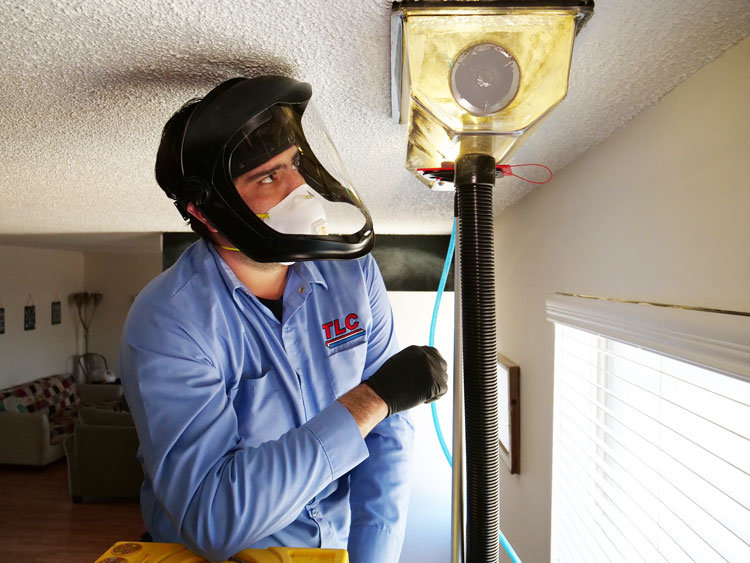 One of my first “duct stories” came from a family in a two-storey home in the southeast. They’d been complaining about uneven heating for weeks. When I opened the main supply trunk, I found a forgotten toy truck wedged so tightly in the duct that dust piled up behind it like a small sand dune. The parents swore they had no idea how it got there—although their five-year-old looked unusually proud. Once we cleared it and cleaned the surrounding lines, their airflow returned almost immediately. Moments like that remind me the duct system ends up holding pieces of family life in ways most people never imagine.
Calgary’s long heating season gives these stories a different dimension. Furnaces run for so many consecutive months that anything sitting inside the lines gets pushed, pulled, and recirculated far more aggressively than in other cities. A retired couple from the northwest once called me because their home always smelled slightly musty, even after repainting and replacing carpets. During my inspection, I found clumps of insulation that had fallen into the ducts when their attic hatch was repaired the previous winter. The insulation trapped moisture and slowed airflow. After a thorough cleaning and sealing a small gap around the hatch, the smell lifted almost instantly. They joked that I’d “exorcised the house,” but really, I’d just cleared out what the system had been fighting against for months.
Some stories are less amusing and more instructive. I once worked with a homeowner who booked me because their energy bills kept spiking. They were convinced their furnace was faulty. What I discovered instead was a layer of renovation dust from a basement project that had coated the return lines so thoroughly the furnace had to overwork to pull air through. The dust wasn’t dangerous, but it was enough to choke airflow. After cleaning the ducts, their furnace readings went back to normal and the household saved significant money over the winter. That job reinforced one of the patterns I’ve seen for years: post-renovation duct cleaning isn’t optional; it’s preventative maintenance hiding in plain sight.
I’ve also come across situations where cleaning wasn’t the solution. A homeowner in the northeast called me out after another company had told them mold was growing in their ducts. Something felt off the moment I stepped into the house—nothing about the smell matched what I’ve learned to recognize. A closer look revealed moisture leaking from an improperly vented bathroom fan, not mold inside the duct system. Cleaning wouldn’t have solved anything. Fixing the fan did. I’ve never believed in cleaning for the sake of cleaning; if the ducts aren’t the source of the problem, they shouldn’t be treated like they are.
What ties all these stories together is that a home’s duct system becomes a quiet archive of its history. Pets, projects, seasons of heavy furnace use, even forgotten childhood treasures—they all leave traces. As a technician, I’ve learned to read those clues the way a mechanic reads engine noise. And each time I leave a home with clearer airflow and cleaner vents, I feel like I’ve returned some part of the house to the way it meant to function in the first place.
People often assume duct cleaning is just about dust removal. My work has taught me it’s more than that. It’s about solving puzzles hidden in the structure of a house, restoring air that feels easier to breathe, and uncovering the small stories a home collects without asking permission.